the dot on the i
three years of brand film for an ai company, built on a single red ball and the argument that a technology brand should not look like technology.
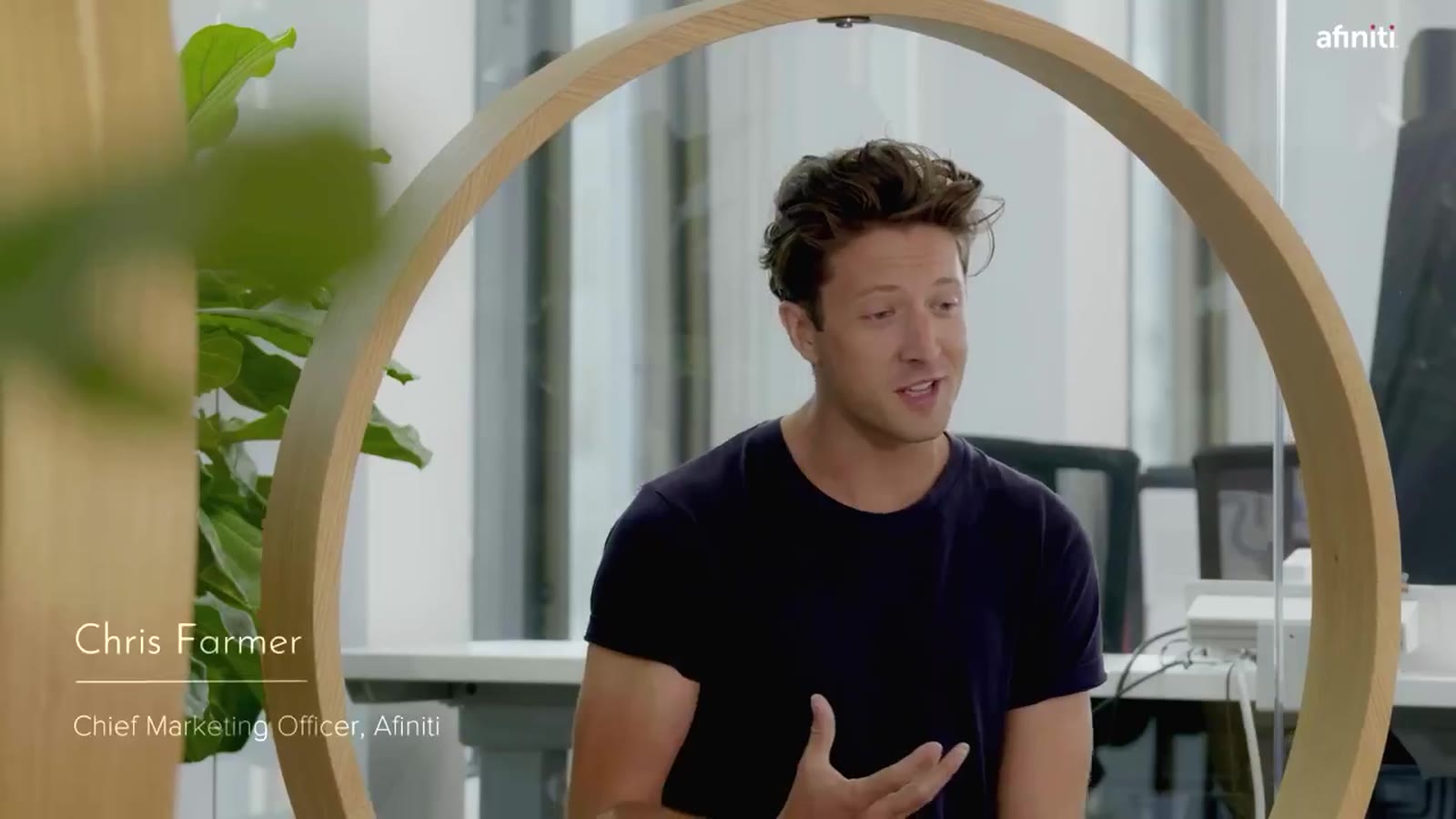
afiniti sell behavioural pairing, which is an algorithm, which is invisible. every competitor was filming server rooms and neural pathways. the work here went the other way and never showed the technology once, building the whole brand on children, a red ball and the outcome the software is actually for. it was made from inside the company’s own marketing team over three years, which is why this page can show the brief and the script drafts as well as the film.
you cannot film an algorithm
the product is a pairing decision made in the half second before a call connects. there is nothing to point a camera at, and the category had already agreed on what to do about that: blue light, server racks, electrons crossing a dark screen.
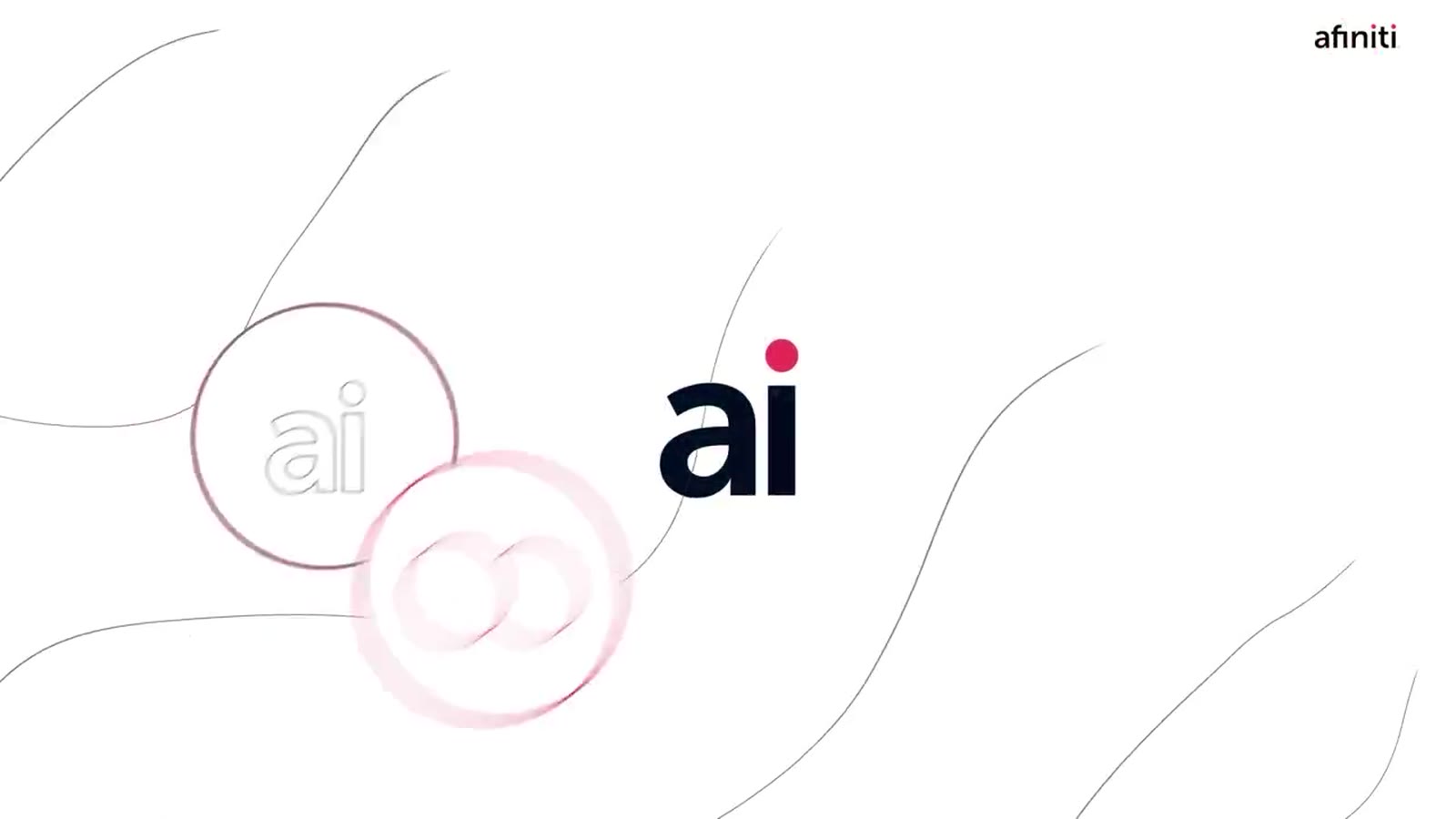
the brand also had a name problem worth solving rather than hiding. afiniti starts with an a and ends with an i, the two i characters carry different colours for the two people being paired, and the word itself is one letter away from affinity. three ideas live inside one wordmark, and none of them read unless something on screen explains them.
so the brief was not to make a film about the software. it was to find a visual device simple enough to carry three years of output and abstract enough that a viewer has to think for a second before it lands.
we never showed the technology. we showed what the technology is for.
one red ball
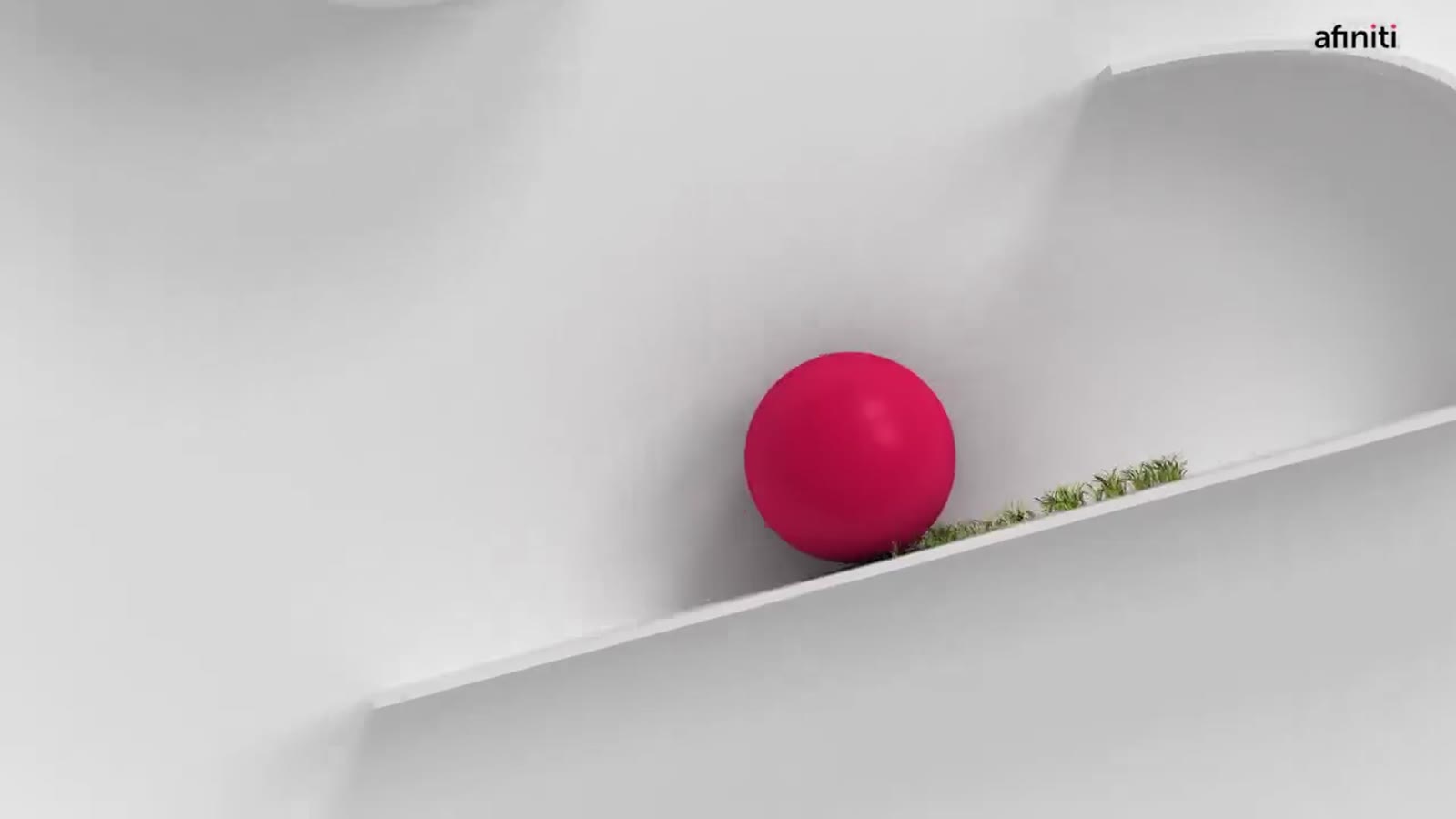
the device is a red ball. it rolls through an empty white field, rearranges the space as it goes, and comes to rest as the dot on the i. it costs nothing to animate, it reads at any size, and it gave every later piece a way to open that belonged to the brand rather than to the category. the opening sequence was storyboarded shot by shot before a single frame was made.
children, not servers
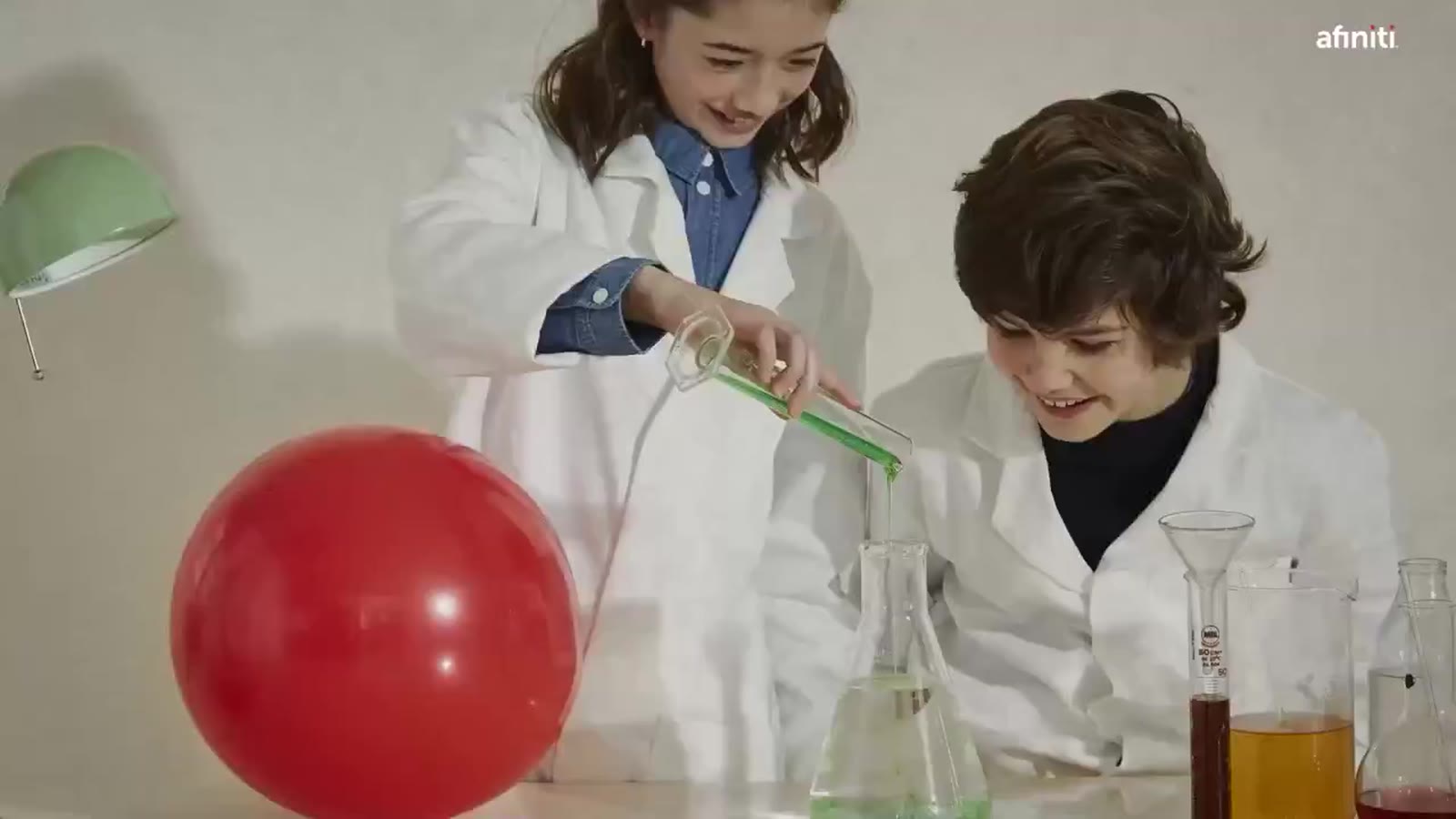
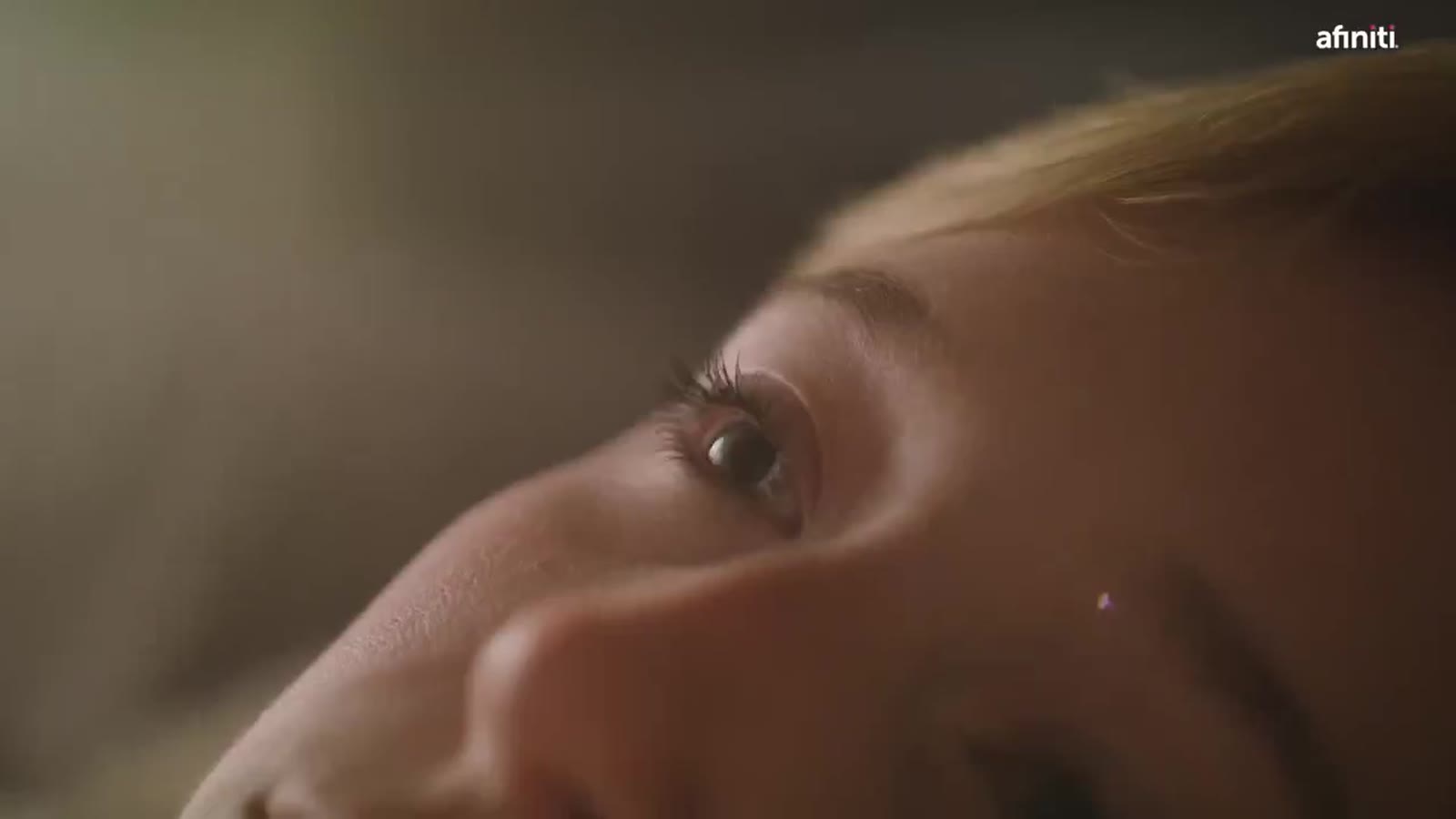
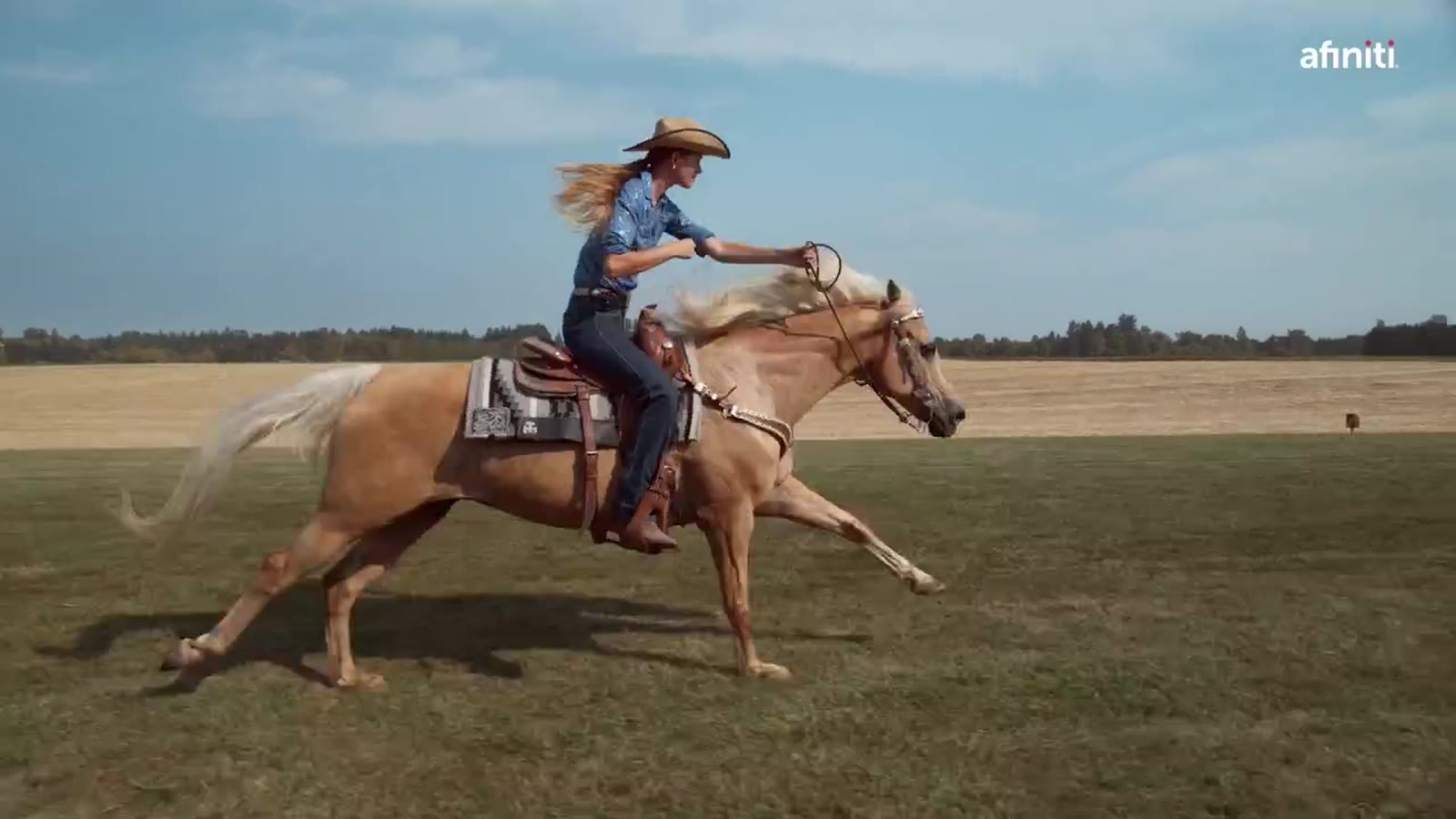
the decision that set the brand apart was to cast children. not because the product is for children, but because a child enjoying themselves is an image that reads the same in every market the company sells into, and because there is an innocence to it that adult couples could not carry. it also forced the work to talk about outcomes rather than architecture, which is the harder and better brief.
a system, not a film
the pipeline mattered as much as the picture. interviews were transcribed and mined for the script before anything was shot, audio was treated separately from picture so three strands could move at once, and the schedule ran to a four week plan from kick-off to launch. that is what let one idea carry brand films, social cuts, recruitment pieces and culture work for three years without drifting.